




Hair thinning through hormonal change is extremely common and almost never discussed properly.
Postpartum, perimenopause, a stressful year, thyroid change — all of it shows up in density, texture and shedding. Most women notice it in the shower drain or in how a ponytail feels, assume they've done something wrong, and say nothing.
You haven't done anything wrong. And this is a category where starting early genuinely matters, because there's more to work with.
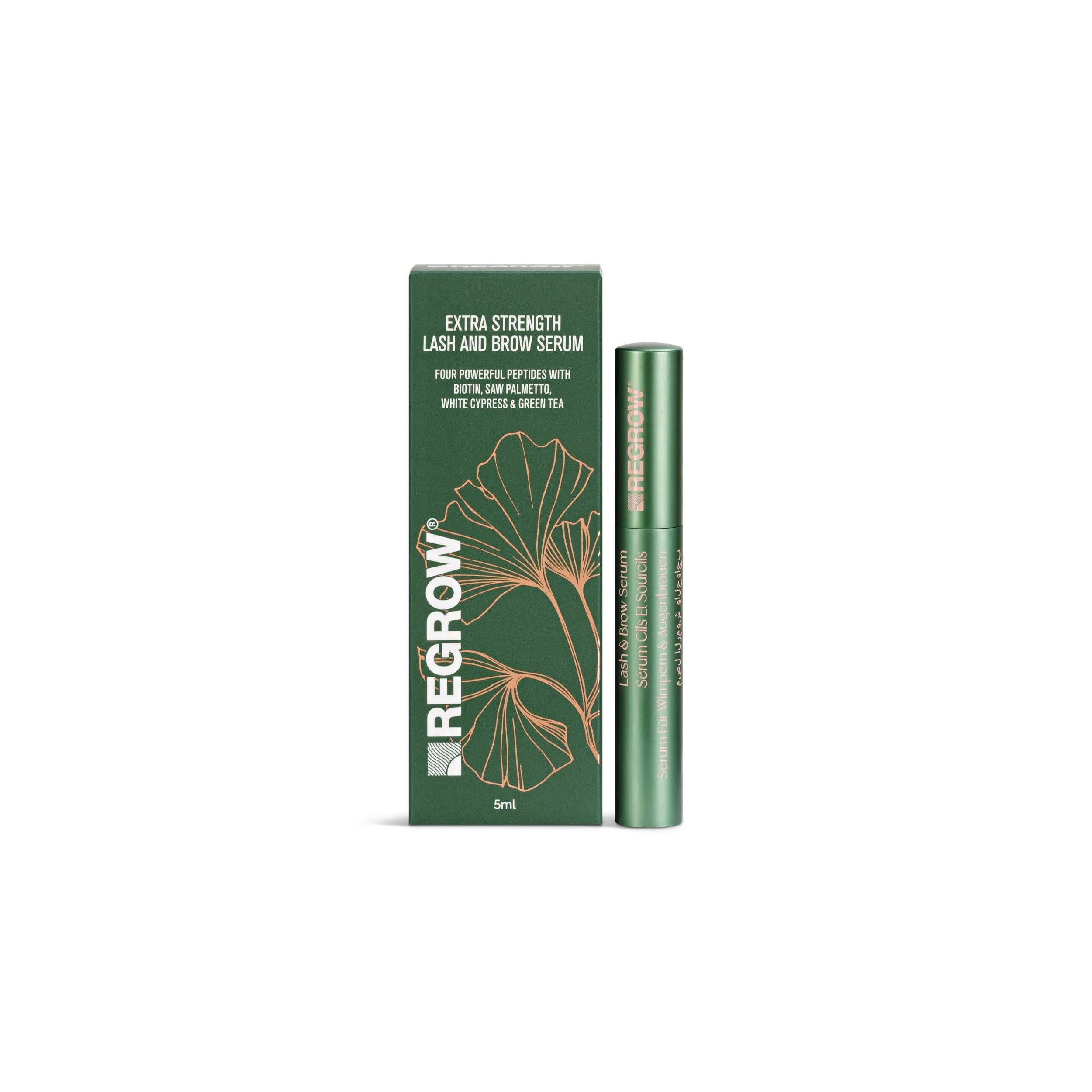
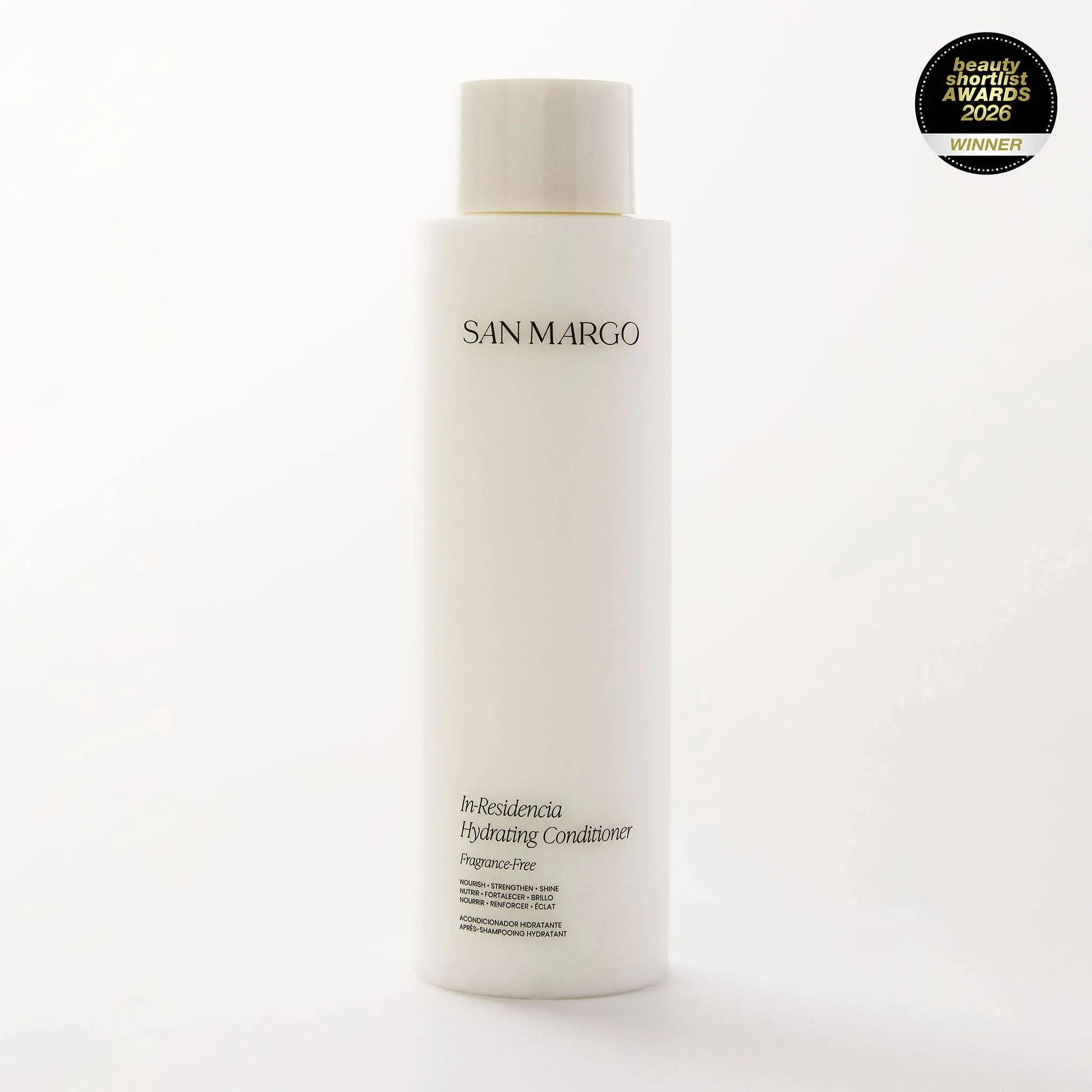
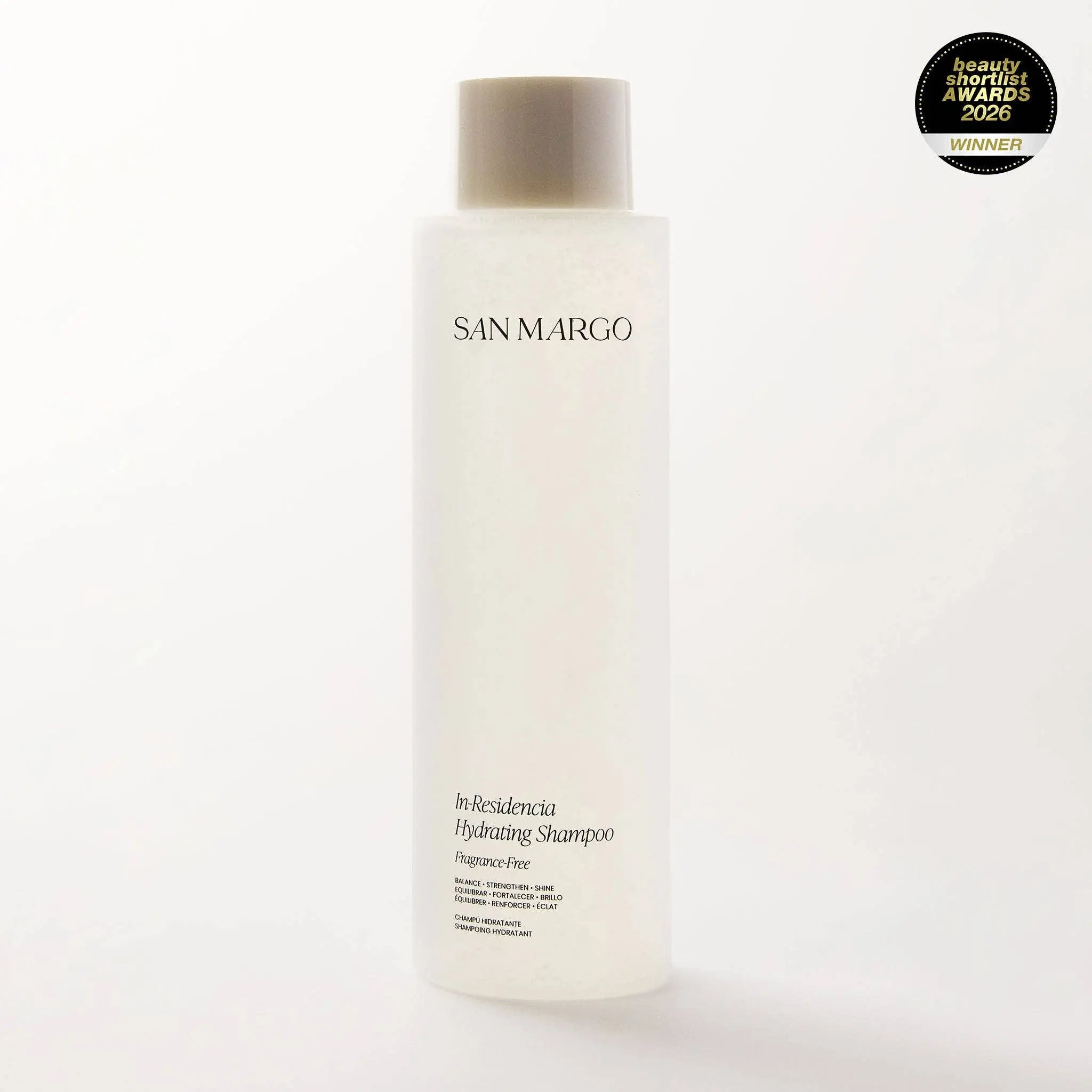
Two houses here, both taking the scalp seriously: REGROW, Australian-made and formulated specifically for women, and San Margo, working at cosmeceutical standard with published percentages.
Kate recommends
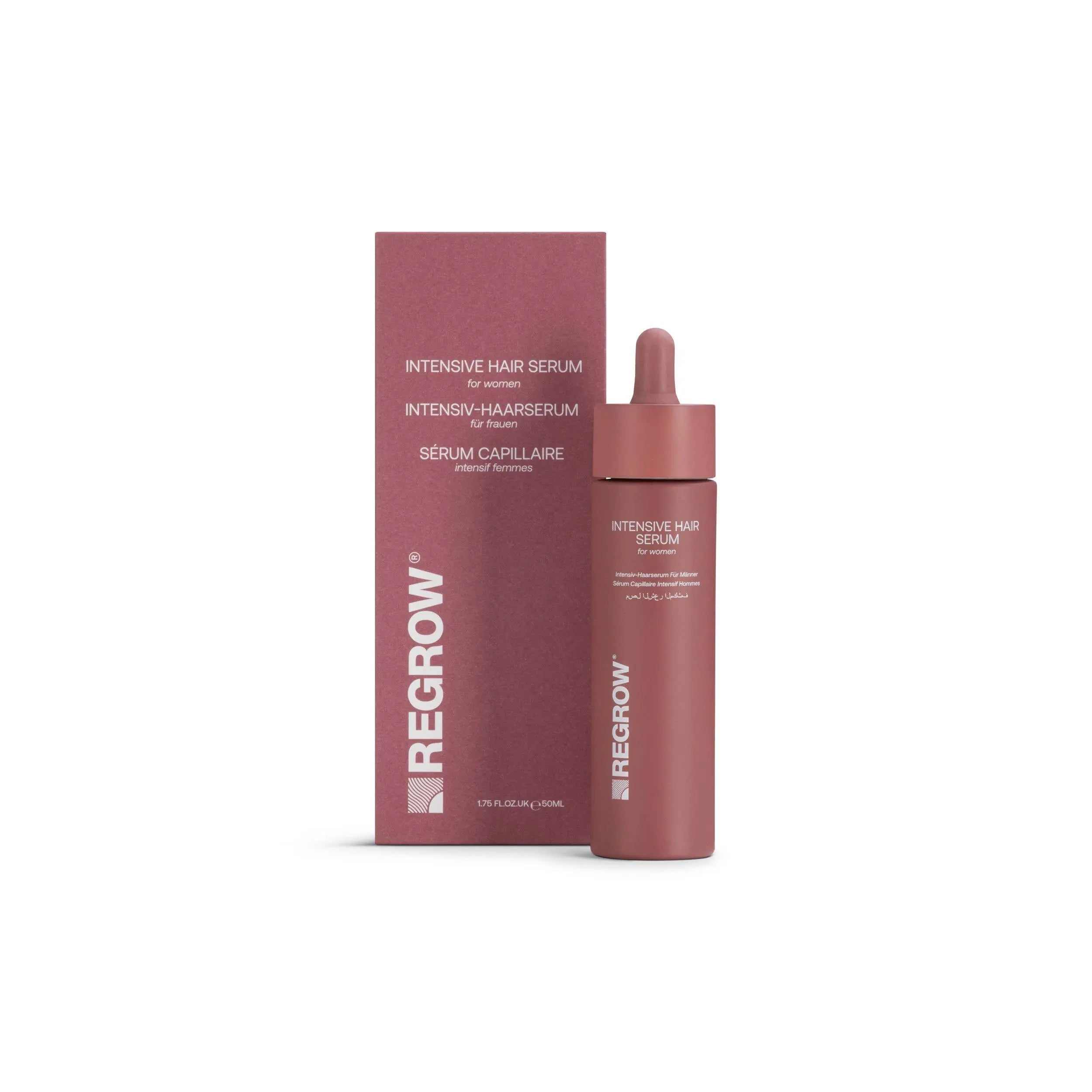
REGROW Women's Intensive Hair Serum — $69.95
"Four peptides, to the scalp, daily. Give it three months before you decide anything — this is a category where nothing happens for weeks and then something does. Most of this market was built for men and marketed sideways at us. REGROW started somewhere else."
Chloe recommends
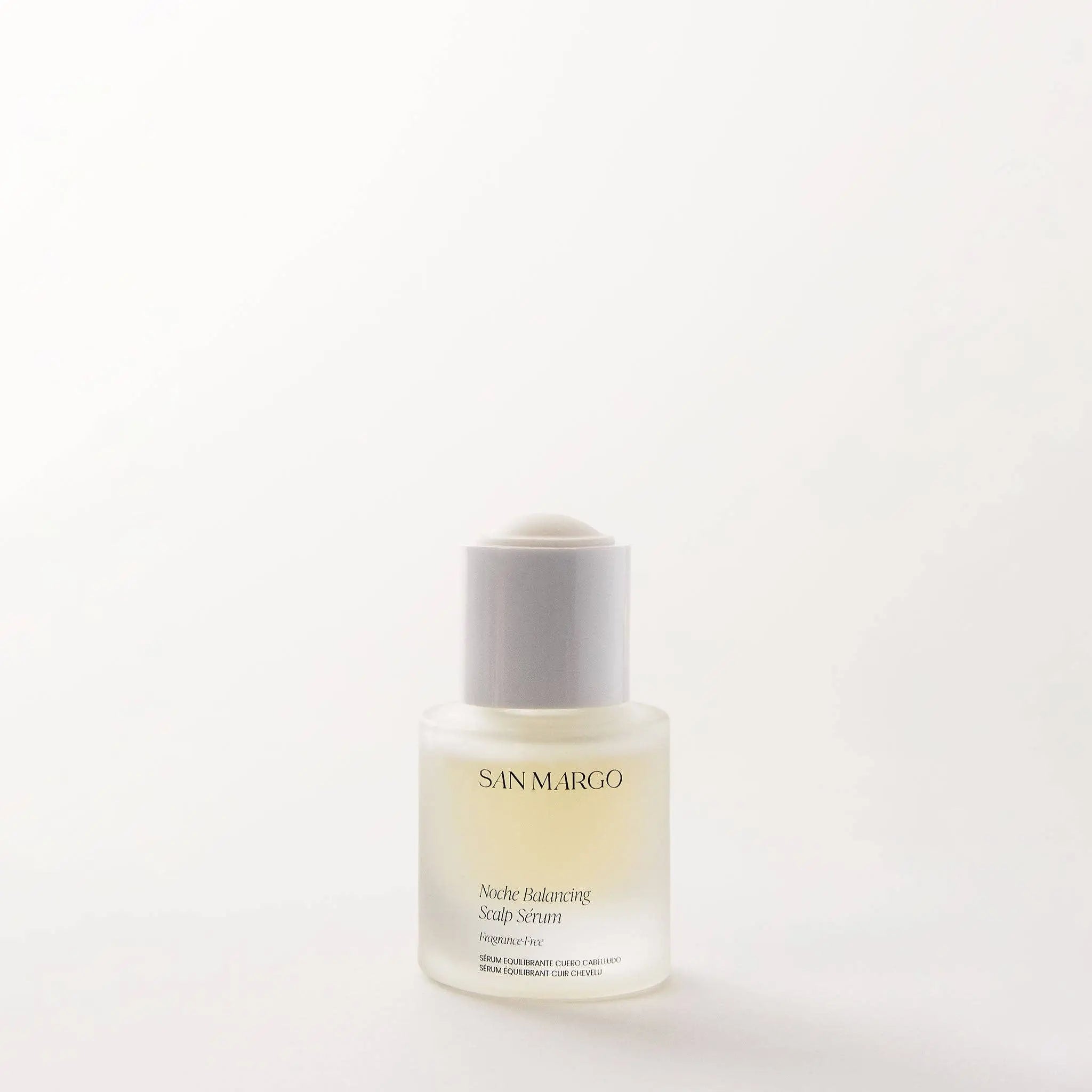
San Margo Noche Balancing Scalp Serum — $72
"Three per cent BAICAPIL with the trial figures published rather than gestured at, which is why I trust it. I'm not treating anything — I'm keeping a scalp healthy while it still is. That's a much easier job than the alternative."
Common Hormonal Hair Concerns
- Postpartum shedding after pregnancy
- Menopause and perimenopause-related thinning
- Hormonal changes affecting hair density and texture
- Increased breakage and weakened strands
- Dry, stressed, or sensitive scalp conditions
Supporting Hair Through Life Stages
During pregnancy, elevated estrogen levels may temporarily extend the hair growth phase, often making hair appear fuller. After childbirth, hormone levels shift rapidly, which can trigger increased shedding known as postpartum hair loss.
Similarly, during perimenopause and menopause, declining estrogen and progesterone levels can shorten the growth cycle and contribute to thinning or reduced hair density over time.
Healthy Hair Starts with the Scalp
A healthy scalp environment plays an essential role in maintaining stronger, healthier-looking hair. Consistent care, hydration, balanced nutrition, and targeted scalp treatments can help support hair quality and improve the appearance of fullness, softness, and resilience over time.